Risk isn’t a one-time act—it’s a habit.
Most of the time, I’ve never been afraid of taking risks. But in my work with my brand Nosey Parker, I worked with over 220 small retail businesses, who felt that simply opening their doors as the biggest risk they’ll ever take—and they’re not wrong. That first leap is huge. The problem comes right after the “open” sign goes up: fear sets in. Instead of leaning into risk, many freeze, and the business begins to stall before it’s had a chance to grow.
True Growth Comes From Solving A Problem
I also notice a tendency to mimic others. If she can do it, I can too. And while that drive is admirable, it often gets misapplied.
- Opening “just one more” boutique or restaurant isn’t necessarily filling a gap—it’s repeating a model that might not be needed.
- There’s a difference between taking a calculated risk and chasing an “I can do it better” mindset.
- True growth comes from solving a problem, not duplicating someone else’s solution.
I was selected in 2013 for a week of hearing from successful women-owned startups at NYU, sponsored by 85 Broads, with Sallie Krawcheck. At the WE2 Conference, the buzzword was scalability—the ability for a business model to grow beyond its starting point. And yes, scalability matters. I can write volumes about the potential of my own business. But even scalability carries its own risks. Here are the questions I’ve learned to ask myself (and encourage you to ask, too):
1. Customer Behavior
Do they care about what you’re offering? More importantly—will they keep coming back? Retention is as important as attraction.
2. Recurring Revenue
Are you making money while you sleep? If not, what’s your plan to generate consistent income? My model started as transactional, but I’m actively building recurring streams.
3. Resources
Are your resources truly assets? Or are they liabilities in disguise? I’ve learned—sometimes painfully—that not every “partner” has your best interests at heart. Desperation in a down economy can make people promise anything. Vet carefully.
4. Daily Priorities
Which of your activities actually move the needle? As Seth Godin says, “Time spent doesn’t equal success.” I admit, I struggle here. My instinct is to stay close to the daily grind, but my partners reminded me that my real value lies in growth strategy.
5. Reliability
This one can make or break you. Partners and suppliers must be dependable. When interviewing, I now ask: “Define reliability, give me examples, and provide three references who can vouch for you.” Reliability = accountability, and it’s a trait we need to revive.
6. Cost
Initial, ongoing, future. I ran a cash business that pays for itself as long as I’m personally involved—but growth requires more than just covering today’s expenses. Expansion means anticipating tomorrow’s costs, too.
7. Adaptability
No business survives on its original plan alone. Flexibility is key. I’ve held firm on my niche, but I’ve also made changes that widened my audience. Too often, I see business owners blame their location when sales dip. But customers will drive hours for a store they love. Sometimes the real issue is how you’re reaching them.
8. Confidence vs. Aggressiveness
Which pays the bills? In my experience, it’s aggressiveness. Confidence is good—but action wins. I think of Jennifer Hyman of Rent the Runway, who turned designer rejections into an entirely new market. At WE2, I saw women pushing, interrupting, and hustling to make connections. At first, my southern manners kept me waiting patiently, but when it was time, I stepped forward—and walked out with insights directly from Arianna Huffington herself. That moment reminded me: sometimes you have to be bold enough to take what you came for.
Final Thought
Risk isn’t a one-time act—it’s a habit. Opening the business was just step one. Growth requires ongoing leaps: new revenue streams, new strategies, and the courage to adapt. Confidence may keep you steady, but aggressiveness will move you forward.
At WE2 in 2013, I had the privilege of hearing these movers and shakers talk about risk, growth and realities of success. They are all still here and growing.
KNOWLEDGE MAKERS
Sara Chipps, Girl Develop It
Anne Dwane, Chegg.com
Pooja Nath Sankar, Piazza
Sarah Elizabeth Ippel, Academy for Global Citizenship
Jennifer House, Red Rock Reports
TASTE MAKERS
Doni Belau, Girls Guide to Paris
Sara Kate Gillingham-Ryan, Apartment Therapy
Jennifer Hyman, Rent the Runway
Emily Olson, Foodzie
INVESTORS PANEL
Shana Fisher, High Line Venture Partners
Sarah Tavel, Bessemer Venture Partners
Joy Marcus, DFJ Gotham Ventures
Jenny Fielding, BBC Worldwide
Nancy Peretsman, Allen & Company
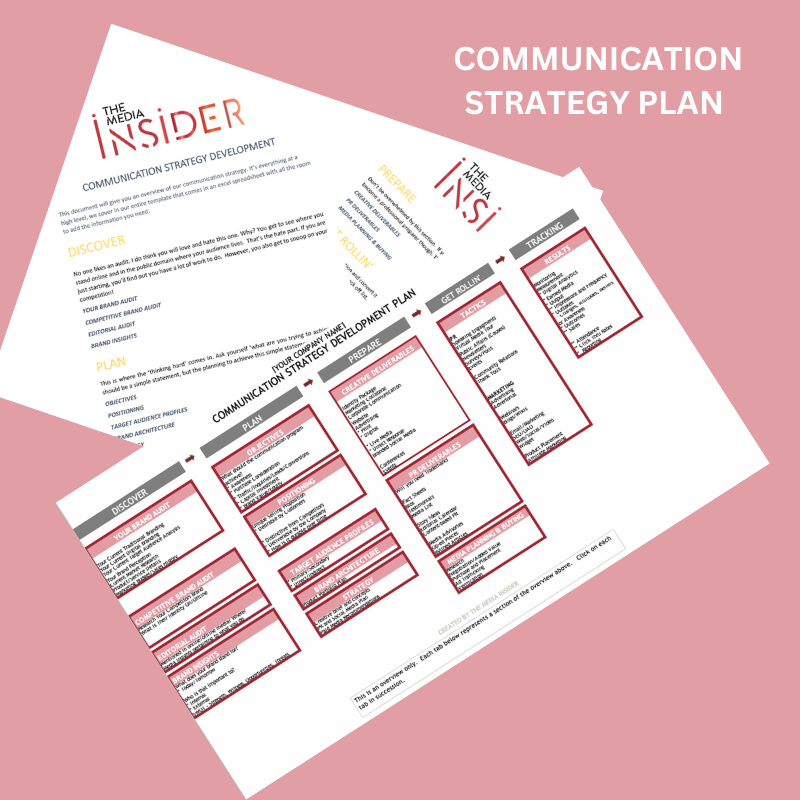
Use my COMMUNICATIONS STRATEGY PLAN and receive a review from Margaret Croom after you complete it!